Grains for Dogs


By Fido's Bowl December 15, 2025

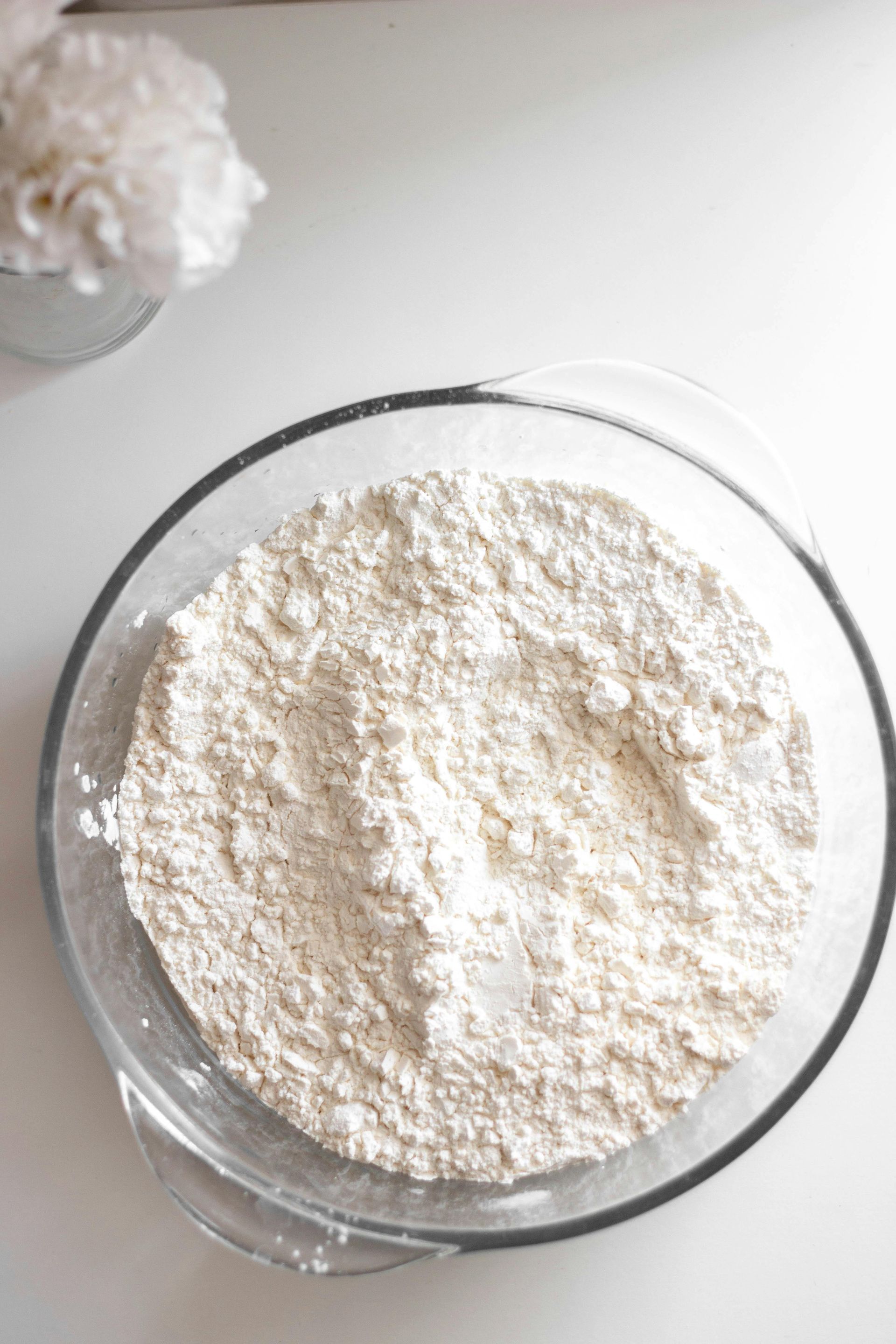
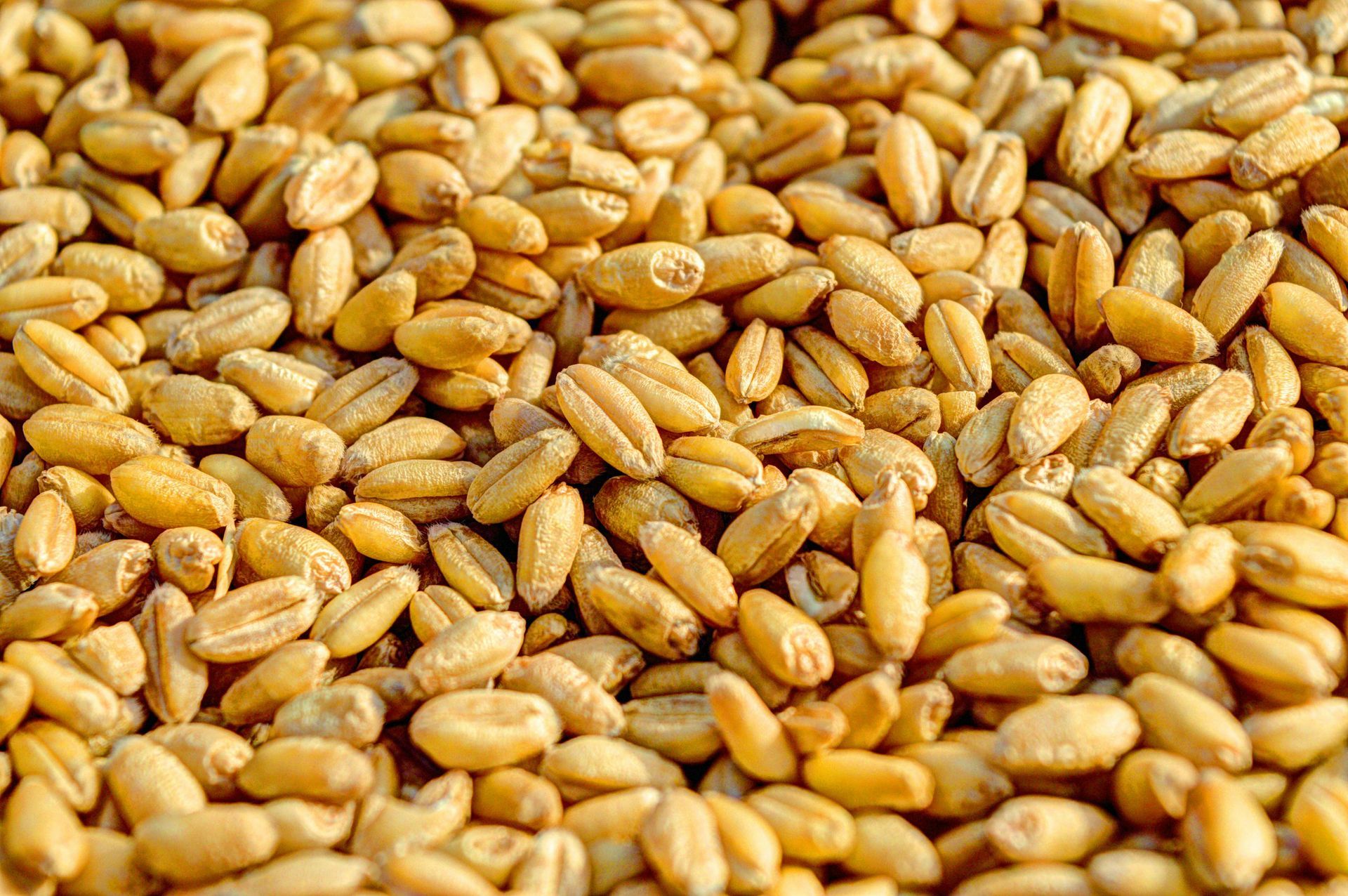
Grains are one of the most debated ingredients in dog nutrition. Some dog owners avoid them entirely, while others include them regularly—especially when preparing homemade dog food. The reality is that grains are optional for dogs, not inherently harmful or essential, and whether they belong in a diet depends on the dog, the formulation, and the goals of the person feeding.


This article does not promote or discourage grains. Instead, it explains why the grain debate exists, what went wrong with certain grain-free foods, the potential benefits of grains, why some feeders avoid them, and how to decide whether grains make sense in your own dog’s diet—especially when feeding homemade.


Why Grain-Free Dog Food Became Controversial

Grain-free diets gained popularity as dog owners looked for alternatives to low-quality commercial kibble that relied heavily on corn, wheat, and soy. Over time, “grain-free” became associated with higher meat content and better quality—though that wasn’t always the case.


The FDA and Dilated Cardiomyopathy (DCM)

In 2018, the FDA began investigating a potential link between certain grain-free dog foods and diet-associated dilated cardiomyopathy (DCM). Importantly, the concern was not the absence of grains itself, but what many manufacturers used instead of grains.


To replace grains, some brands relied heavily on:

  • Peas
  • Lentils
  • Chickpeas
  • Other legume concentrates


These ingredients were often used in large amounts to boost protein percentages, sometimes without proper formulation or long-term feeding trials. The FDA’s findings suggested a possible association between heavy legume use and DCM in some dogs, though research is ongoing and no single ingredient has been definitively blamed.


This led to widespread confusion, with many people interpreting the issue as “grain-free is dangerous,” when the more accurate takeaway was that poorly formulated diets—grain-free or not—can cause problems.


Are Grains Bad for Dogs?

Grains are not inherently bad for dogs.


Dogs are omnivorous scavengers by evolution. While they do not require grains to survive, they are capable of digesting and utilizing them when cooked and prepared properly.


Whole grains can provide:

  • Carbohydrates for energy
  • Fiber for digestion and stool quality
  • B vitamins
  • Trace minerals


The issue is not grains themselves, but how they are used, how much is included, and what they replace in the diet.


Why Some People Avoid Grains Entirely

Many people who avoid grains are coming from thoughtful, intentional places—not misinformation.


Common reasons include:

  • Raw or prey-model feeding philosophies that aim to mimic a wild diet
  • Concerns about low-quality grains used as fillers in commercial kibble
  • Dogs with confirmed grain sensitivities or digestive issues
  • A desire to prioritize animal-based proteins


From a raw or prey-model perspective, grains are avoided because they are not something a dog would consume in the wild. That philosophy makes sense within that framework, especially when diets are carefully balanced and affordable.


However, philosophy and practicality don’t always align for every household.


Grains in Homemade Dog Food: A Practical Perspective

When feeding homemade dog food, grains become less about ideology and more about formulation, cost, and sustainability.


This is where personal experience matters.


Our Experience Feeding Grains

In our household, we choose to feed higher-quality meats as the foundation of our dogs’ meals. Our dogs could absolutely thrive without grains. However, feeding a fully homemade, meat-heavy diet—especially for large dogs like Labradors—adds up quickly.


Including grains allows us to:

  • Reduce the total amount of meat required
  • Keep homemade feeding financially sustainable
  • Still provide nutrient-dense, whole foods


We do occasionally use white rice, particularly when a bland or easily digestible option is needed. More often, we rely on whole grains and legumes, such as:

  • Brown rice
  • Quinoa
  • Garbanzo beans


These ingredients:

  • Help keep our Labs full and satisfied
  • Contribute fiber and nutrients
  • Lower the overall cost per meal


Without grains, we would need to significantly increase meat portions, which would likely make homemade feeding unaffordable for us long term.


While dogs may not eat grains in the wild, feeding homemade food is already a conscious, modern decision—and we believe that thoughtfully prepared homemade meals with healthy grains can still be a better option than relying solely on commercial kibble.


Benefits of Including Grains in Homemade Diets

When used appropriately, grains can:

  • Improve meal satiety for large or active dogs
  • Help manage food costs
  • Provide variety and additional nutrients
  • Support digestion when cooked properly


They should never replace essential nutrients like protein, fats, or minerals—but they can complement a well-formulated diet.


Are Grains Required?

No.


Dogs do not require grains to be healthy.


Grains are optional. A dog can thrive on:

  • Grain-free homemade diets
  • Grain-inclusive homemade diets
  • Carefully formulated commercial diets


What matters most is overall nutritional balance, not the presence or absence of a single ingredient category.


How to Decide What’s Right for Your Dog

When deciding whether to include grains in your dog’s diet, consider:

  • Your dog’s size, activity level, and digestion
  • Any known sensitivities or health conditions
  • Your budget and ability to sustain homemade feeding long term
  • How confident you are in balancing the diet


There is no universal answer. What works for one household may not work for another.


If you’re unsure, working with a veterinarian or a canine nutritionist can help ensure the diet—grain-free or grain-inclusive—is complete, balanced, and appropriate for your dog.


Key Takeaways

  • Grains are optional for dogs, not inherently harmful or required
  • The grain-free controversy stemmed from formulation issues, not grains themselves
  • Whole grains can offer nutritional and financial benefits in homemade diets
  • Some feeders avoid grains for philosophical or medical reasons
  • Including grains can make homemade feeding more affordable and sustainable
  • The best diet is one that is balanced, appropriate, and realistic for your household

For readers building their own recipes, Lesson 2: Balanced Meals explains how to adjust ingredient ratios when adding foods like grains.


Disclaimer:
This article is for educational purposes only and is not individualized veterinary or nutritional advice. Every dog has unique needs. Always consult your veterinarian before making dietary changes or introducing new ingredients, especially if your dog has medical conditions or special requirements.

Learn to Make Homemade Dog Food

View our 7 Lessons


Join our Fido's Bowl Newsletter

Sign up to get industry insights, trends, and more in your inbox.

Contact Us

SHARE THIS

Recent Articles and Resources

Ground eggshell mixture in a clear glass bowl on a white surface with white flowers in background.
By Fido's Bowl December 15, 2025
Learn how to supplement calcium in homemade dog food, including eggshell calcium, bone meal, and seaweed calcium, plus dosing and balance tips.

Person behind a counter weighing a white powder on a small scale, with a small bottle and wooden box nearby.
By Fido's Bowl December 15, 2025
Learn why calcium and phosphorus balance matters in homemade dog food, the correct ratio for dogs, and how improper balance can impact bone health.
Pile of dehydrated banana slices on a wooden surface, with a blurred white object on the right side.
By Fido's Bowl December 9, 2025
Make crunchy dehydrated banana dog treats with this simple, one-ingredient recipe. Healthy, budget-friendly, and perfect for homemade dog snacks or training treats.
Poached egg with a bright orange yolk, garnished with green sprouts, on a white plate.
By Fido's Bowl December 9, 2025
Give your dog a nutritious, easy treat with poached eggs. Learn the benefits of eggs for dogs, how to serve them safely, and why pups love this soft, protein-rich topper.
Brown eggs and shell fragments on a white marble surface.
By Fido's Bowl December 9, 2025
Make your own eggshell calcium for dogs with this easy recipe. Learn why homemade diets need added calcium, benefits, dosage, and how to supplement safely.