
Vitamin
Vitamin D for Dogs
Vitamin D is an essential fat-soluble nutrient that plays a major role in bone health, immune function, muscle strength, and metabolic balance. Unlike humans, dogs cannot synthesize Vitamin D from sunlight, which means every dog depends entirely on dietary sources to meet their daily needs. Because natural food sources vary widely in Vitamin D content—and many homemade recipes fall short—understanding how much Vitamin D your dog needs per NRC guidelines is crucial for building safe, nutritionally complete homemade meals.
-
60–80% Muscle Meat (Protein & Amino Acids)
Muscle meat is the foundation of the bowl because it supplies most of the amino acids your dog needs to meet the NRC protein requirements you calculated earlier. The wide range (60–80%) exists because different dogs have different needs—active dogs, puppies, or dogs recovering from illness may benefit from the higher end, while seniors or low-activity dogs may do better with less.
Meat alone doesn’t meet all NRC requirements, but it determines the bulk of the meal’s protein and energy. Choosing a variety of proteins over time—chicken, beef, turkey, pork, lamb, fish—helps support balanced amino acids and micronutrients.
-
Up to 5% Secreting Organs (Optional but Extremely Nutrient-Dense)
Organs are optional, but incredibly helpful. They naturally provide many of the micronutrients on your NRC list, including vitamin A, copper, folate, and other vitamins and minerals that muscle meat alone cannot supply.
Including up to 5% secreting organ (like liver, kidney, or spleen) helps meals meet NRC targets with fewer supplements. If your dog cannot tolerate organs or you prefer not to use them, that’s okay—balanced meals are still possible, but you will likely rely more on supplement support to fill the micronutrient gaps organs normally cover.
-
10–30% Complex Carbohydrates or Vegetables (Energy & Fiber Support)
Carbohydrates and grains are optional in a homemade dog diet, and opinions vary widely about whether dogs should eat them. Some dogs digest grains and starchy foods very well, while others do better without them.
We’ll explore this topic in depth in a dedicated blog, but for now, it’s important to understand that carbs are not required to meet NRC nutrient needs—they are simply an optional tool you can use based on your dog’s health, preferences, and your veterinarian’s guidance.
When included, complex carbohydrates such as sweet potatoes, regular potatoes, oats, quinoa, and lentils can provide digestible energy, fiber, and certain vitamins and minerals. They help support healthy stools and can be useful for dogs who need additional calories without increasing fat or protein levels too high.
Low-starch vegetables—like broccoli, zucchini, green beans, carrots, pumpkin, and leafy greens—are also optional but beneficial. They contribute fiber, antioxidants, phytonutrients, and digestive support, helping round out a homemade meal even though they aren’t used to directly meet NRC nutrient requirements.
Whether you choose to include carbs, vegetables, both, or neither, balanced meals are still achievable. The key is making sure the ingredients you select fit your dog’s needs and work alongside the nutrient targets you calculated in Lesson 1.
What Vitamin D Does for Dogs
Vitamin D is often called the “regulatory vitamin” because it controls how the body absorbs and uses both calcium and phosphorus. Without enough Vitamin D, even a well-balanced mineral ratio cannot be used effectively.
Key functions of Vitamin D include:
- Regulating calcium and phosphorus absorption in the intestines
- Supporting bone growth, density, and remodeling
- Maintaining proper muscle and nerve function
- Supporting immune system activity and inflammation control
- Assisting hormone balance
- Helping prevent skeletal deformities or bone softening
Vitamin D deficiency impacts multiple body systems and can develop quickly in homemade diets that rely on lean meats or limited animal-based sources.
Signs of Vitamin D Deficiency in Dogs
Low Vitamin D is one of the most common deficiencies in unbalanced homemade diets.
Symptoms may include:
- Bone pain or stiffness
- Lameness or difficulty walking
- Muscle weakness
- Poor appetite
- Delayed wound healing
- Elevated alkaline phosphatase (ALP) on bloodwork
- Puppies: bowed legs, soft bones, skeletal deformities (rickets)
Vitamin D deficiency affects calcium absorption, further compounding bone issues.
Signs of Vitamin D Toxicity in Dogs
Vitamin D toxicity is dangerous and potentially life-threatening. It usually happens from oversupplementation or accidental ingestion (e.g., rodent poisons, human supplements).
Signs include:
- Excessive thirst and urination
- Vomiting or diarrhea
- Weight loss
- Internal bleeding
- Elevated calcium levels (hypercalcemia)
- Kidney failure
- Mineralization of internal organs
Because the safe upper limit is not far above the required amount,
measured and precise dosing is essential.
Food Sources
Best Natural Sources of Vitamin D
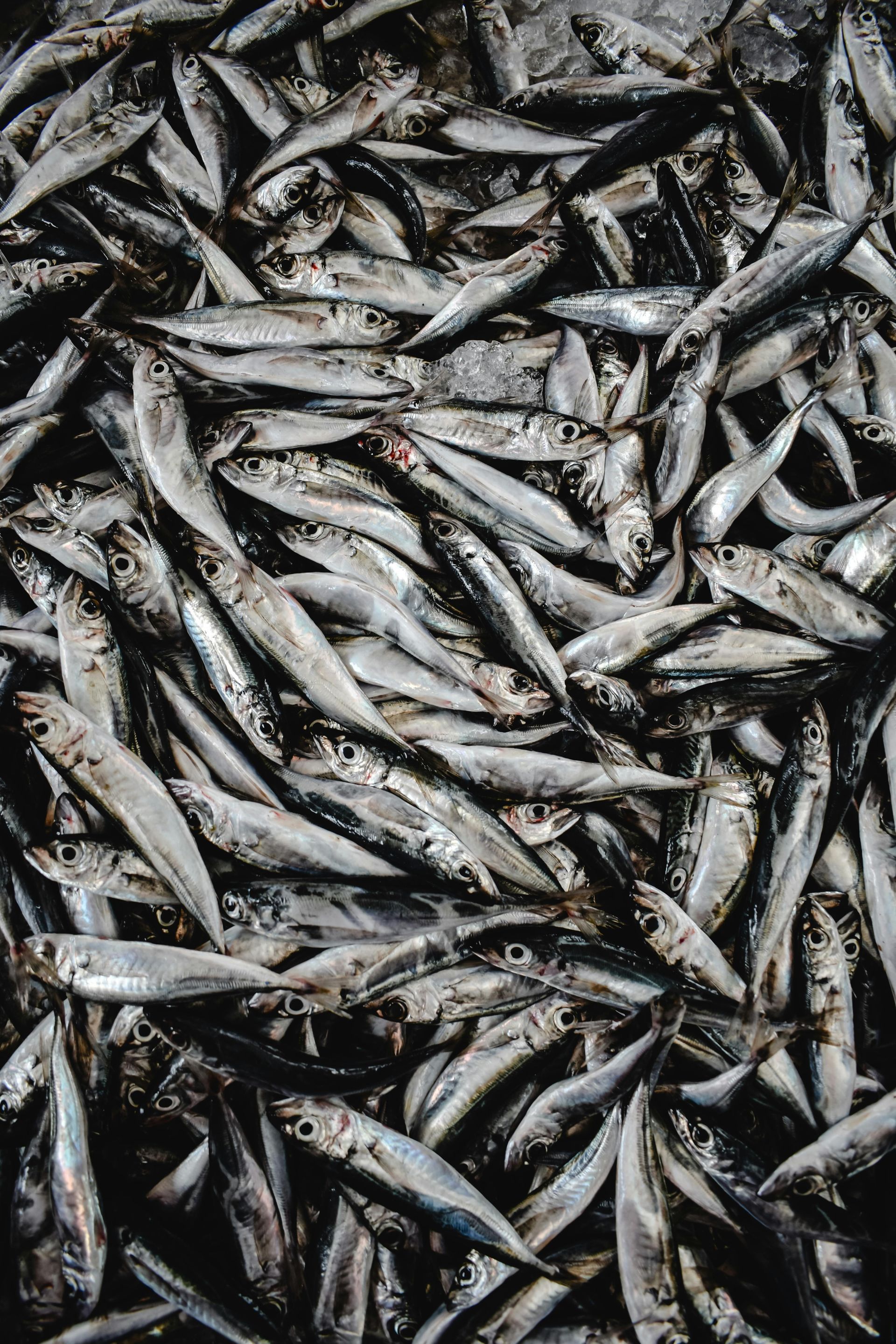
Many foods contain some Vitamin D, but only a few provide meaningful levels. Most meats are naturally low, which is why Vitamin D is often one of the nutrients most lacking in homemade diets.
These foods help increase Vitamin D intake but rarely meet full NRC requirements alone:
- Egg yolks (useful in cooked diets)
- Canned fish in water (sardines, salmon)
- High-quality fish meals in some recipes
Because natural levels vary widely, these foods help contribute to Vitamin D intake but rarely allow a recipe to be balanced without further supplementation.
Balancing It
How to Add Vitamin D to Homemade Dog Food
Vitamin D is one of the most difficult nutrients to supply correctly through food alone when preparing homemade dog food. While certain foods—such as oily fish, egg yolks, and liver—do contain Vitamin D, the amounts vary widely and are often insufficient or inconsistent to reliably meet NRC requirements. Lean meats, poultry, white fish, and most commonly used ingredients contribute little to no Vitamin D, making deficiency a frequent risk in homemade diets that are not carefully formulated.
Adding to the challenge, dogs require Vitamin D3 (cholecalciferol), the biologically active form used by the canine body. Many plant-based sources and fortified foods contain Vitamin D2 (ergocalciferol), which dogs do not utilize efficiently. This means that even diets including vegetables or plant-based Vitamin D sources do not meaningfully support a dog’s Vitamin D needs.
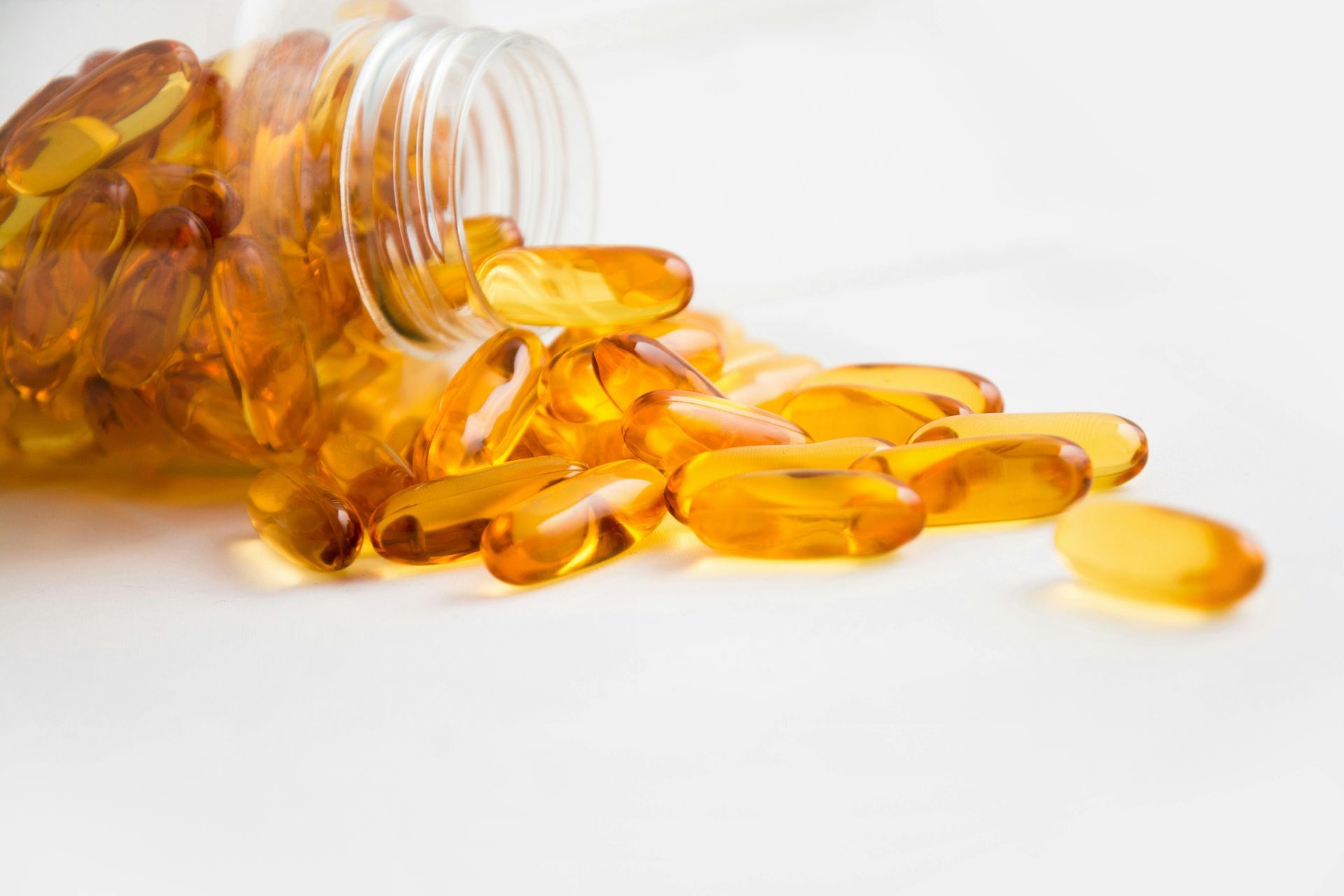
Because dogs cannot synthesize Vitamin D from sunlight and food sources alone are unreliable, supplementation is often necessary when feeding homemade diets. Vitamin D plays a direct role in regulating calcium and phosphorus absorption, so inadequate intake can lead to bone demineralization and metabolic imbalance—even if calcium is present in the recipe. At the same time, excess Vitamin D can cause dangerous elevations in blood calcium, making precise dosing essential.
For these reasons, Vitamin D should never be guessed or casually added. It must be carefully calculated based on your dog’s daily caloric intake and sourced in the correct D3 form to safely support long-term health.
NRC Guidelines
How Much Vitamin D Dogs Need (NRC Requirements)
Important:
These values are based on per 1,000 calories consumed. Dogs eating more or fewer calories must have their Vitamin D amounts proportionally adjusted to maintain balance and avoid deficiencies or excess.
If you’re unsure how to calculate your dog’s caloric needs or how NRC nutrient requirements scale, our
Nutrition 101 Guide explains these principles step-by-step.
| Nutrient | NRC Minimum (per 1,000 kcal) | NRC Recommended Allowance (per 1,000 kcal) | Safe Upper Limit |
|---|---|---|---|
| Vitamin D (as D3) | 125 IU | 136 IU | 750 IU per 1,000 kcal |
Balancing it
Do Dogs Need Vitamin D Supplements?
When a Vitamin D supplement is used in homemade dog food, it is important to understand which form of Vitamin D is appropriate and how it should be dosed. Dogs require Vitamin D3 (cholecalciferol), the form that is biologically active and efficiently used in the canine body. Supplements labeled as Vitamin D2 (ergocalciferol), often found in plant-based or human vegan products, are not appropriate for dogs and should not be used when balancing homemade diets.
Vitamin D supplements are typically added in very small, measured amounts, because daily requirements are low and excess can accumulate over time. This is why Vitamin D should be treated differently from nutrients like calcium or protein—more is not better, and precision matters. The correct dose must be calculated based on your dog’s daily caloric intake, taking into account any Vitamin D already provided by foods such as fish or egg yolks.
Using the correct form (D3) and dosing accurately allows Vitamin D supplementation to fill nutritional gaps safely without exceeding NRC guidelines. Guessing, rounding up, or adding supplements “just to be safe” increases the risk of toxicity and should be avoided. For homemade diets, supplementation is most effective when it is deliberate, measured, and reviewed as part of the full nutrient balance rather than added in isolation.
To learn more about how to calculate nutritional needs, choose safe sources, and balance ratios correctly, we recommend following Lesson 1 in our Nutrients 101, which walks you through calculating requirements step-by-step.
Vitamin D Related Articles