

Balance Over Time vs Balance Per Meal in Homemade Dog Food


By Fido's Bowl December 16, 2025

When feeding homemade dog food, one of the most common questions people have is whether meals need to be perfectly balanced every single time, or whether balance can be achieved over time. This confusion is completely normal—especially for those new to cooking for their dogs.


The truth is that both approaches exist, both can be appropriate in certain situations, and neither is inherently “right” or “wrong.” Understanding the difference between balance per meal and balance over time helps you make informed decisions that fit your dog, your confidence level, and your lifestyle.


What Does “Balanced Dog Food” Mean?

In homemade feeding, a balanced diet means that your dog receives:


  • The required nutrients
  • In appropriate amounts
  • Over a reasonable time frame


Balance is not about perfection—it’s about meeting nutritional needs without chronic deficiencies or excesses. The question is when that balance must occur.


What Is Balance Per Meal?

Balance per meal means that every meal or batch of food is fully complete and nutritionally balanced on its own. Each recipe includes the appropriate ratios of protein, fat, carbohydrates (if used), and required supplements.


Why Some People Choose Balance Per Meal

This approach is especially appealing to:

  • Beginners who are new to homemade dog food
  • People who want clear structure and reassurance
  • Dogs with medical conditions requiring strict consistency
  • Puppies, where precision is critical


When starting out, balancing each batch provides confidence. There’s comfort in knowing that every bowl is nutritionally complete without needing to think beyond that meal.


Pros of Balance Per Meal

  • Clear and structured
  • Lower risk of accidental nutrient gaps
  • Easier to track supplementation
  • Often recommended for beginners


Cons of Balance Per Meal

  • Can feel overwhelming or stressful
  • Less flexibility with ingredients
  • Harder to incorporate leftovers or seasonal foods
  • Can become time-consuming and costly


What Is Balance Over Time?

Balance over time means that nutritional needs are met across multiple meals or days, rather than within every individual meal. Ingredients and proportions may vary from batch to batch, but overall balance is achieved through variety and consistency over time.


This approach mirrors how many people feed themselves or their families—not every meal is nutritionally perfect, but the overall diet evens out.


Why Some People Choose Balance Over Time

From personal experience, balance over time has been the most sustainable approach for feeding my dogs. It removes the pressure of making every meal perfect and allows for flexibility, variety, and practicality.


I typically prepare food in 3–4 day batches, but each batch may look different.


Ingredients change based on:

  • What’s in season
  • What’s already in the fridge
  • What I’m cooking for myself


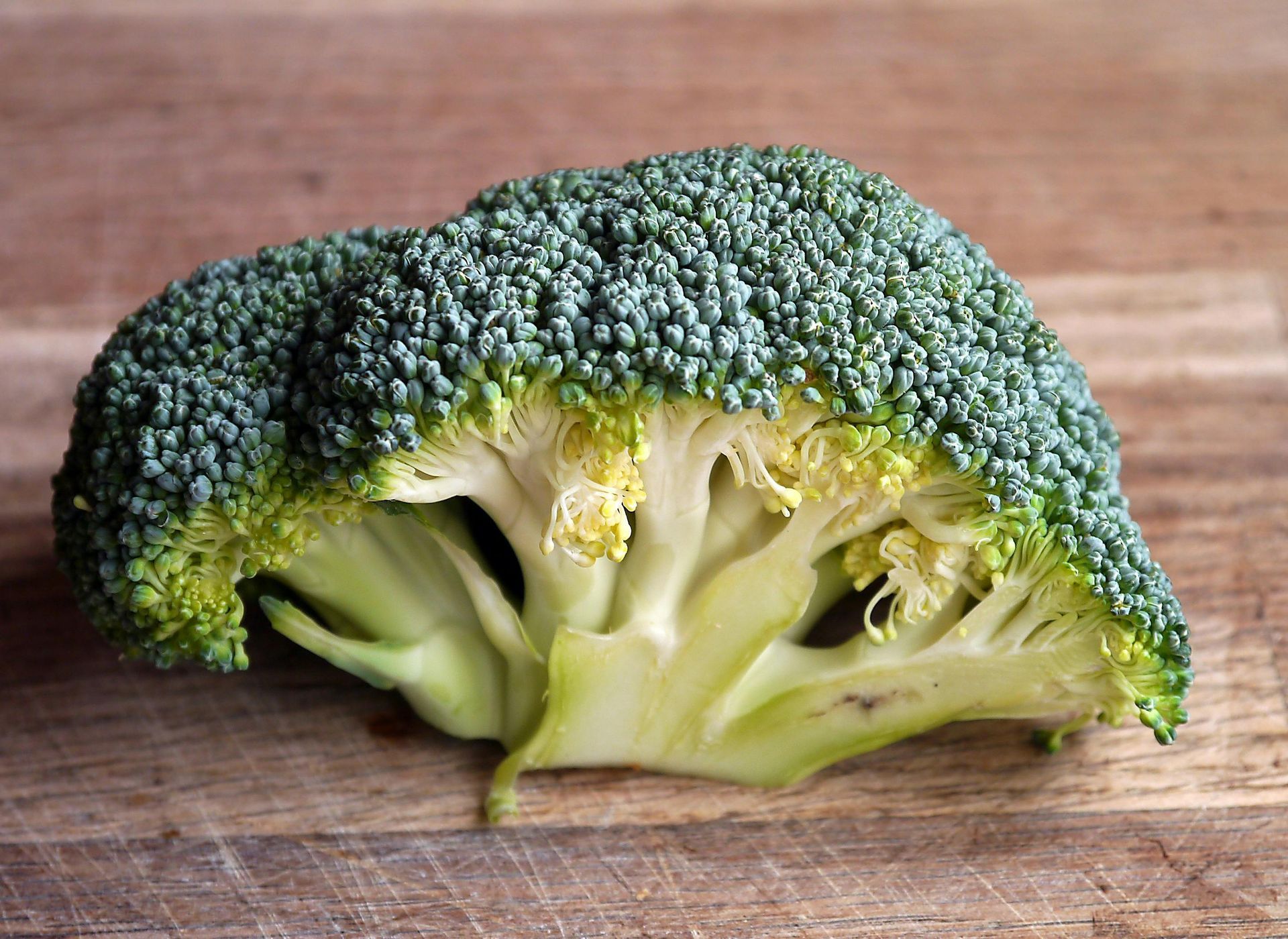
For example, if I’m steaming broccoli or asparagus, I’ll often use the tender stem portions for my dogs while I eat the tips. This makes shopping simpler, reduces waste, and keeps homemade feeding affordable.


Pros of Balance Over Time

  • Less stress and pressure
  • Encourages ingredient variety
  • More cost-effective
  • Easier to maintain long-term
  • Allows flexibility with real-life cooking


Cons of Balance Over Time

  • Requires foundational nutrition knowledge
  • Not suitable for all nutrients
  • Can be confusing for beginners without guidance


Important: Not Everything Can Be Balanced Over Time

This is where balance over time is often misunderstood.


While variety works well for many whole-food ingredients, certain nutrients must be provided consistently. In my own feeding routine, I always add measured amounts of calcium and vitamin D to every batch, since these nutrients are too important to average out over time. These nutrients are too critical—and too risky to under- or over-supply—to average out later.


In homemade dog food:

  • Calcium must be present in proper amounts to support bone health
  • Vitamin D must be supplied reliably, as food sources alone are often insufficient


These nutrients should be measured and added intentionally, regardless of whether you balance per meal or over time.


How Confidence Changes the Approach

When I first started feeding homemade dog food, I balanced every batch completely using a combination of whole foods and supplements. That structure was important while I was learning and building confidence.


Over time, as my understanding improved, balance over time became a natural evolution. I remind myself that feeding dogs—much like feeding children or ourselves—isn’t about perfection at every meal. It’s about consistency, variety, and meeting needs across time.


How to Decide Which Approach Is Right for You

There is no single correct answer. The best approach depends on:

  • Your experience level
  • Your dog’s health and life stage
  • Your comfort with nutrition concepts
  • Your budget and time constraints


Balance Per Meal May Be Best If:

  • You’re new to homemade feeding
  • Your dog has medical needs
  • You prefer structure and precision


Balance Over Time May Be Best If:

  • You’re confident in basic nutrition principles
  • You value flexibility and variety
  • You want homemade feeding to be sustainable long-term


Working with a veterinarian or canine nutritionist can help you determine which approach is safest for your situation—especially during transitions.


Key Takeaways

  • Balance in homemade dog food can be achieved per meal or over time
  • Balance per meal offers structure and reassurance, especially for beginners
  • Balance over time allows flexibility, variety, and cost savings
  • Not all nutrients can be averaged—nutrients such as calcium must be consistent
  • Confidence and experience often shape which approach works best
  • The best feeding method is one you can maintain safely and realistically

For readers building their own recipes, Lesson 3: Ingredients & Variety explains how to adjust balance meals.


Disclaimer:
This article is for educational purposes only and is not individualized veterinary or nutritional advice. Every dog has unique needs. Always consult your veterinarian before making dietary changes or introducing new ingredients, especially if your dog has medical conditions or special requirements.

Learn to Make Homemade Dog Food

View our 7 Lessons


Join our Fido's Bowl Newsletter

Sign up to get industry insights, trends, and more in your inbox.

Contact Us

SHARE THIS

Recent Articles and Resources

Cross-section of broccoli head on a wooden surface, showing dark green florets and pale green stem.
By Fido's Bowl December 19, 2025
Broccoli is a nutrient-dense vegetable that can support homemade dog food when prepared properly. Learn benefits, safe portions, and how to use it in balanced meals.

Chef in black apron holds a raw beef heart with gloved hands.
By Fido's Bowl December 19, 2025
Beef heart is a lean, nutrient-rich protein commonly used in homemade dog food. Learn its benefits, how much to use, and practical ways to add it to balanced meals.
By Fido's Bowl December 19, 2025
Honest review of Nutramax Denamarin for dogs. What it’s used for, how SAMe and milk thistle work, cost considerations, and when it makes sense.
White container of Fera brand dog supplement
By Fido's Bowl December 17, 2025
Honest review of Fera Pets Hip + Joint for dogs. Ingredients, daily dosing for large dogs, cost considerations, and whether it’s worth it long term.

Dog with brown fur eating from a white bowl on a wooden floor, next to a green couch.
By Fido's Bowl December 17, 2025
Learn how much homemade dog food to feed using common methods like 2–3% body weight or calorie needs, plus how to adjust over time.
Close-up view of a pile of golden-brown wheat kernels, likely for food or agriculture.
By Fido's Bowl December 15, 2025
Learn why grains are optional for dogs, what caused grain-free concerns, and how to decide if grains belong in homemade dog food.
Ground eggshell mixture in a clear glass bowl on a white surface with white flowers in background.
By Fido's Bowl December 15, 2025
Learn how to supplement calcium in homemade dog food, including eggshell calcium, bone meal, and seaweed calcium, plus dosing and balance tips.

Person behind a counter weighing a white powder on a small scale, with a small bottle and wooden box nearby.
By Fido's Bowl December 15, 2025
Learn why calcium and phosphorus balance matters in homemade dog food, the correct ratio for dogs, and how improper balance can impact bone health.
Pile of dehydrated banana slices on a wooden surface, with a blurred white object on the right side.
By Fido's Bowl December 9, 2025
Make crunchy dehydrated banana dog treats with this simple, one-ingredient recipe. Healthy, budget-friendly, and perfect for homemade dog snacks or training treats.
Poached egg with a bright orange yolk, garnished with green sprouts, on a white plate.
By Fido's Bowl December 9, 2025
Give your dog a nutritious, easy treat with poached eggs. Learn the benefits of eggs for dogs, how to serve them safely, and why pups love this soft, protein-rich topper.
Show More