Poached Eggs
By Fido's Bowl • December 9, 2025
Eggs are one of the most underrated nutritional powerhouses you can add to your dog’s diet. They’re packed with high-quality protein, healthy fats, essential amino acids, vitamins, and minerals — all in a form that's easy for dogs to digest. Whether you’re feeding homemade dog food or simply looking for healthy additions to your pup’s meals, eggs are one of the simplest, most affordable ways to boost nutrition.
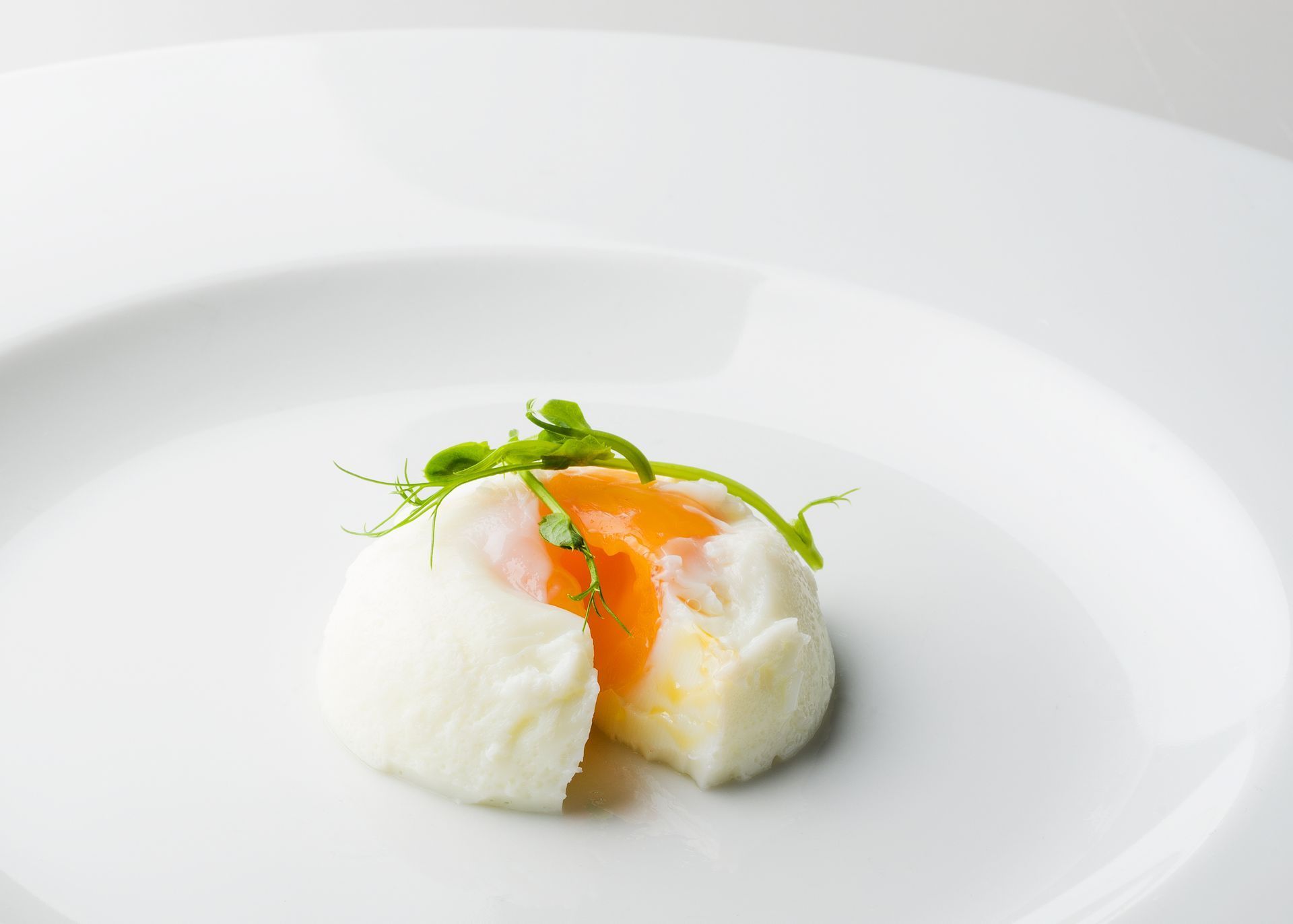
And while most people think of scrambled or hard-boiled eggs for dogs, poached eggs are an incredibly fun, extra-special option — especially for pups who go crazy for that silky, runny center.
Why Eggs Are So Good for Dogs
Eggs are loaded with nutrients dogs actually need, including:
- Complete protein (all essential amino acids)
- Healthy fats for skin + coat
- Vitamin A for eye and immune health
- B vitamins for energy and metabolism
- Iron, selenium & folate
- Choline for brain and cellular health
They’re essentially a whole-food multivitamin for dogs — which is why so many homemade dog food feeders love using them as toppers.
Ways to Add Eggs to Your Dog’s Diet
Eggs are extremely versatile and can be used in:
- Homemade dog food bowls
- Meal toppers for kibble
- Training treats (bite-sized cooked pieces)
- Special weekend “brunch bowls”
- Snacks for picky eaters
Most dog owners default to scrambled, fried, or hard-boiled eggs — all great options — but poached eggs offer something unique.
Why Poached Eggs Are a Great Option for Dogs
Poached eggs stay soft, silky, and slightly runny in the center, which many dogs absolutely love.
Here’s why poached eggs deserve a spot in your rotation:
- More moisture than scrambled eggs
- Still very easy to digest
- Soft texture for puppies and seniors
- Great for mixing into homemade meals
- Store well so you can make several at once
- Feel like a “special treat” while still being nutritious
Plus — and this is a universal dog truth — many dogs lose their minds for runny yolk.
If your dog loves licking spoons, broths, or sauces, this is the egg style they will adore.
How to Make Poached Eggs for Dogs
A simple, fun recipe your dog will look forward to.
Ingredients
- 1–4 fresh eggs
- Water
- Optional: a splash of white vinegar (helps the whites firm, but not required)
Instructions
- Bring water to a gentle simmer
Fill a small pot or skillet with 2–3 inches of water. Heat until it’s lightly bubbling — not a rolling boil. - Crack 1 egg into a small bowl
This makes it easier to slide gently into the water. - Lower the egg into the water
Hold the bowl close to the surface and let the egg slip in. - Simmer for 2–3 minutes
The whites will set while the yolk stays soft and silky — perfect dog texture! - Remove with a slotted spoon
Let excess water drain off. - Cool slightly before serving
Dogs prefer warm — not hot — food. - Repeat for each egg
Serving Ideas
Poached eggs pair beautifully with:
- Fresh or lightly cooked homemade dog food
- Kibble (mix in for extra moisture + flavor)
- Veggie-and-protein bowls
- Weekend “treat meals”
- Special occasions, birthdays, or training days
You can also poach several eggs at once and store them:
- Up to 3 days in the refrigerator
- Serve cold or gently warmed
- Chop, mash, or leave whole depending on your dog’s preference
Are Poached Eggs Safe for Dogs?
Yes — cooked eggs are safe and nutritious for dogs.
Poached eggs offer the benefits of cooked egg whites (no raw egg white risks) while preserving the creamy yolk texture many dogs adore.
Just remember:
- No salt, butter, or seasonings
- Keep portion sizes appropriate
- Eggs should complement a balanced diet, not replace it

A Fun, Nutritious Treat for Any Dog
Poached eggs are a simple, nutritious way to bring a little joy into your dog’s daily meals. Whether you feed homemade food, mix toppers into kibble, or just enjoy making healthy snacks — this recipe is an easy win for both you and your pup.
If you’d like, I can also create:
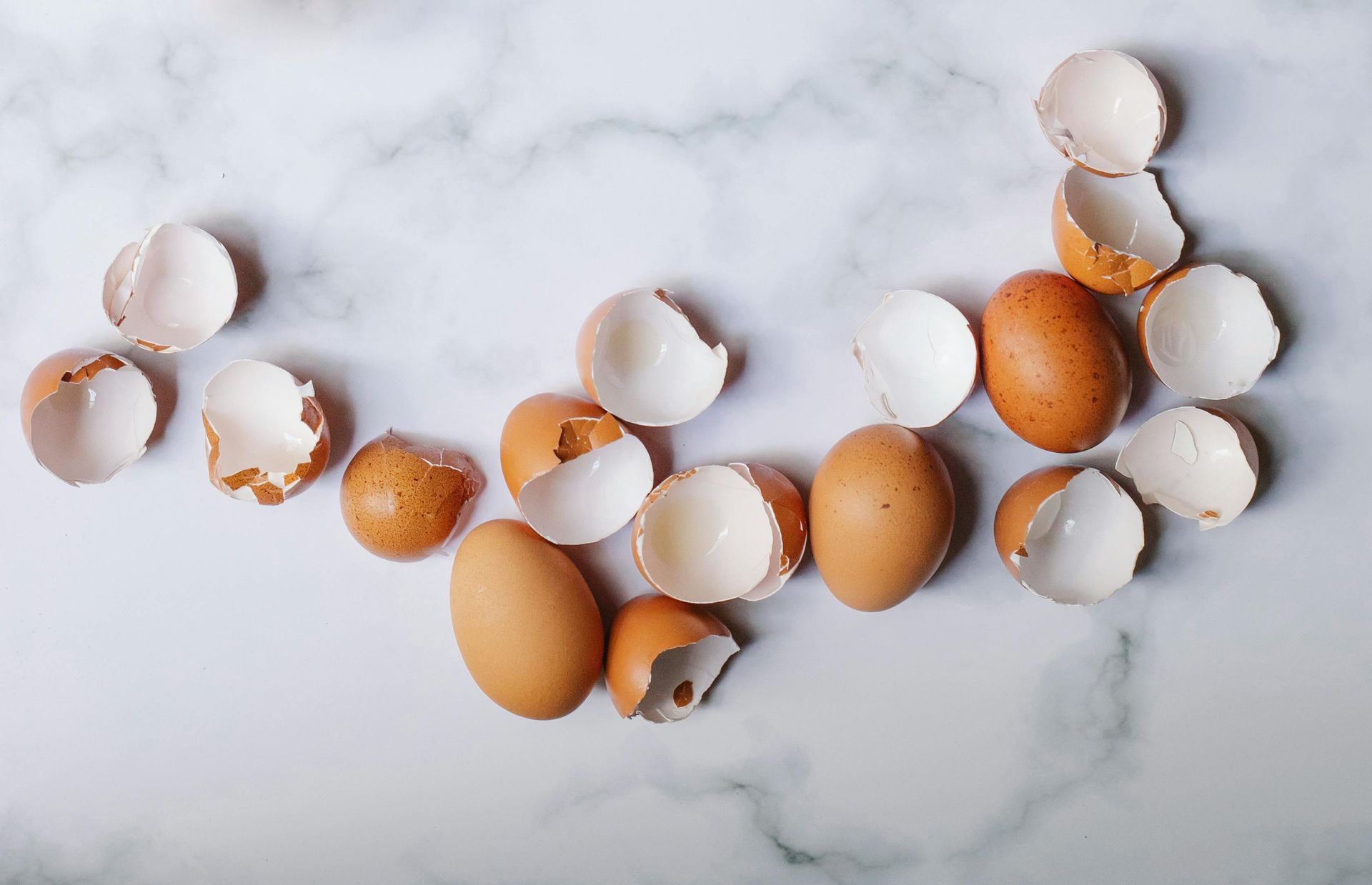
Don’t toss those shells—turn them into a nutritious homemade supplement! Learn how to make easy, affordable eggshell calcium for dogs with our step-by-step recipe.
Disclaimer:
This article is for educational purposes only and is not individualized veterinary or nutritional advice. Every dog has unique needs. Always consult your veterinarian before making dietary changes or introducing new ingredients, especially if your dog has medical conditions or special requirements.
Join our Fido's Bowl Newsletter
Sign up to get industry insights, trends, and more in your inbox.
Contact Us
We will get back to you as soon as possible.
Please try again later.
SHARE THIS
Latest Recipes