
Mineral
Zinc for Dogs
Zinc is an essential trace mineral that supports skin health, immune function, digestion, and metabolic activity in dogs. It plays a role in hundreds of enzymatic reactions throughout the body and is especially important for maintaining a healthy coat, proper wound healing, and normal appetite. In homemade dog food, zinc is one of the most commonly under-supplied nutrients because many popular ingredients contain only small amounts or have poor bioavailability. Understanding NRC zinc requirements is critical for building balanced homemade diets that support long-term health.
If you’re learning how individual nutrients work together in homemade diets, our Nutrition 101 Guide explains NRC principles and nutrient balancing in detail.
-
60–80% Muscle Meat (Protein & Amino Acids)
Muscle meat is the foundation of the bowl because it supplies most of the amino acids your dog needs to meet the NRC protein requirements you calculated earlier. The wide range (60–80%) exists because different dogs have different needs—active dogs, puppies, or dogs recovering from illness may benefit from the higher end, while seniors or low-activity dogs may do better with less.
Meat alone doesn’t meet all NRC requirements, but it determines the bulk of the meal’s protein and energy. Choosing a variety of proteins over time—chicken, beef, turkey, pork, lamb, fish—helps support balanced amino acids and micronutrients.
-
Up to 5% Secreting Organs (Optional but Extremely Nutrient-Dense)
Organs are optional, but incredibly helpful. They naturally provide many of the micronutrients on your NRC list, including vitamin A, copper, folate, and other vitamins and minerals that muscle meat alone cannot supply.
Including up to 5% secreting organ (like liver, kidney, or spleen) helps meals meet NRC targets with fewer supplements. If your dog cannot tolerate organs or you prefer not to use them, that’s okay—balanced meals are still possible, but you will likely rely more on supplement support to fill the micronutrient gaps organs normally cover.
-
10–30% Complex Carbohydrates or Vegetables (Energy & Fiber Support)
Carbohydrates and grains are optional in a homemade dog diet, and opinions vary widely about whether dogs should eat them. Some dogs digest grains and starchy foods very well, while others do better without them.
We’ll explore this topic in depth in a dedicated blog, but for now, it’s important to understand that carbs are not required to meet NRC nutrient needs—they are simply an optional tool you can use based on your dog’s health, preferences, and your veterinarian’s guidance.
When included, complex carbohydrates such as sweet potatoes, regular potatoes, oats, quinoa, and lentils can provide digestible energy, fiber, and certain vitamins and minerals. They help support healthy stools and can be useful for dogs who need additional calories without increasing fat or protein levels too high.
Low-starch vegetables—like broccoli, zucchini, green beans, carrots, pumpkin, and leafy greens—are also optional but beneficial. They contribute fiber, antioxidants, phytonutrients, and digestive support, helping round out a homemade meal even though they aren’t used to directly meet NRC nutrient requirements.
Whether you choose to include carbs, vegetables, both, or neither, balanced meals are still achievable. The key is making sure the ingredients you select fit your dog’s needs and work alongside the nutrient targets you calculated in Lesson 1.
What Zinc Does for Dogs
Zinc is involved in a wide range of biological functions and must be consumed regularly in the diet.
Key roles of zinc include:
- Supporting skin and coat health, including normal hair growth
- Aiding immune system response and infection resistance
- Supporting wound healing and tissue repair
- Assisting digestive enzyme function
- Supporting normal appetite and taste perception
- Playing a role in reproductive health and hormone regulation
- Supporting normal vision and neurological function
Because the body does not store large amounts of zinc, consistent dietary intake is essential.
Signs of Zinc Deficiency in Dogs
Zinc deficiency is common in homemade diets that rely heavily on muscle meat, poultry, or fish without sufficient organ meats or supplementation.
Symptoms may include:
- Dry, flaky, or inflamed skin
- Hair loss, especially around the face, ears, or paws
- Slow wound healing
- Recurrent infections
- Poor appetite or taste sensitivity
- Lethargy
- Thickened or crusted skin lesions (especially in severe cases)
Certain breeds and puppies may be more sensitive to zinc imbalance.
Signs of Zinc Toxicity in Dogs
Excess zinc usually occurs from over-supplementation, not food.
Signs of toxicity include:
- Vomiting or diarrhea
- Loss of appetite
- Anemia (zinc interferes with copper absorption)
- Lethargy
- Gastrointestinal irritation
Chronic excess zinc can lead to
secondary copper deficiency, making balanced dosing essential.
Food Sources
Best Natural Sources of Zinc
Many whole foods contain zinc, but absorption varies depending on food type and preparation. In homemade diets, zinc-rich foods are beneficial but often insufficient on their own to meet NRC requirements consistently.
-
Animal Based Sources
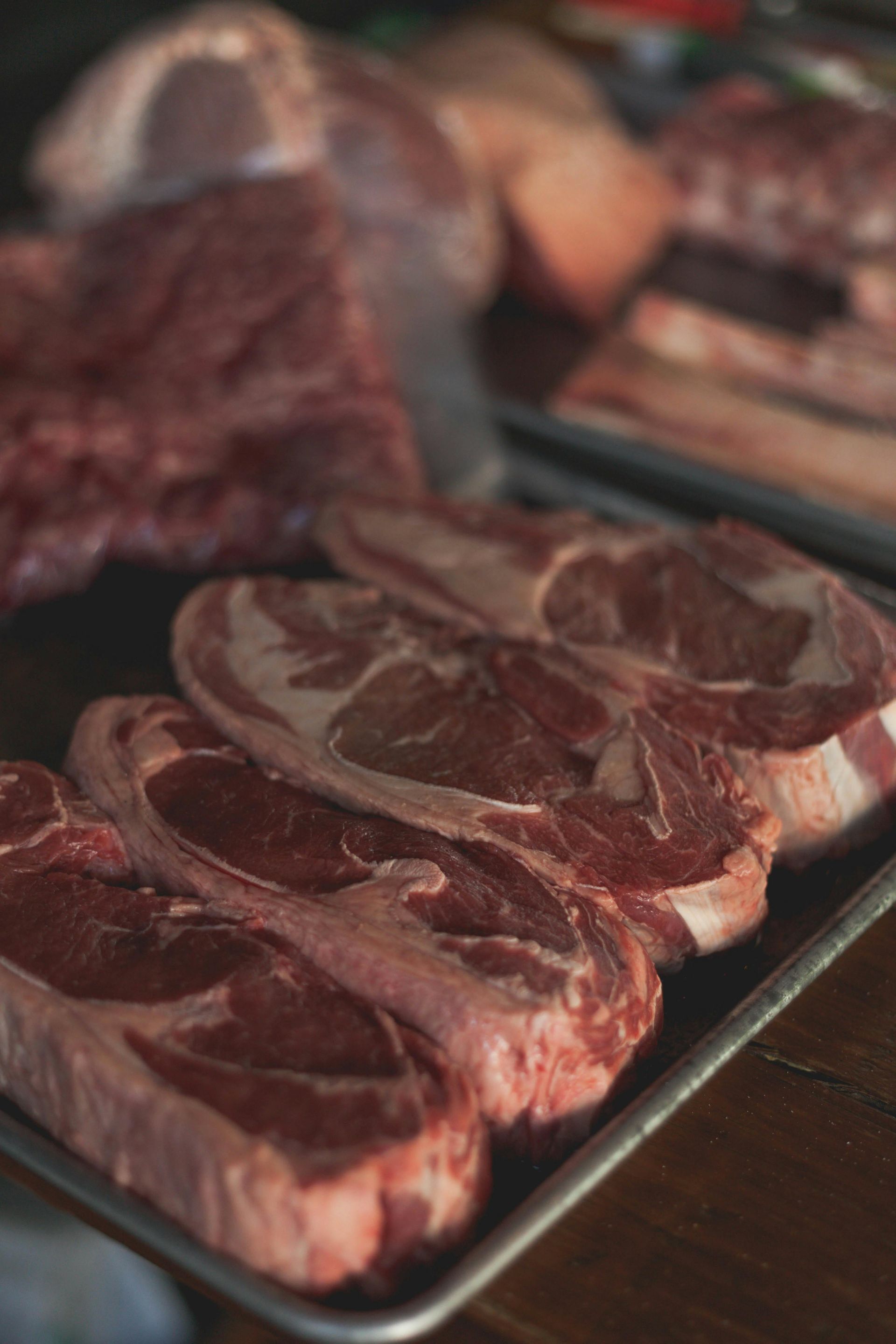
Animal foods provide the most bioavailable zinc for dogs.
Red meat (beef, lamb, venison)
Higher zinc content than poultry or fish
Organ meats (especially liver and kidneys)
Contribute zinc but should not be relied on alone
Shellfish (oysters, mussels)
Extremely high in zinc; used sparingly
Contain modest zinc levels
Even zinc-rich animal foods rarely supply enough zinc to meet NRC targets without careful formulation.Animal foods provide the most bioavailable zinc for dogs.
-
Plant Based Sources
Plant foods contain zinc but also include compounds that reduce absorption.
- Pumpkin seeds
- Chickpeas
- Lentils
- Whole grains
These foods can support zinc intake, but they should not be considered primary zinc sources in dog diets.
-
Whole-Food Additions & Everyday Ingredients
Zinc-containing foods help build a nutritional foundation but typically require supplementation for long-term balance:
- Red meat rotations
- Moderate organ inclusion
- Occasional shellfish
- Eggs
Because zinc content varies by ingredient and absorption is inconsistent, relying on food alone can lead to gradual deficiency.
Balancing It
How Zinc Fits Into a Balanced Homemade Diet
Meeting zinc requirements in homemade dog food is less about adding a single ingredient and more about building zinc into the diet consistently over time. Zinc is best supplied through a combination of animal-based foods that dogs naturally digest and absorb well. In practice, this usually means prioritizing red meat as a regular protein, using organ meats appropriately, and occasionally including highly zinc-rich foods rather than relying on one source alone.
Many homemade diets fall short in zinc when they rely heavily on poultry, white fish, or plant-based proteins, all of which are naturally low in zinc. Shifting even part of the diet toward zinc-dense proteins—such as beef, lamb, or venison—can significantly improve zinc intake without altering the overall structure of the recipe. Organ meats, particularly liver and kidney, contribute additional zinc and help support trace mineral balance when used in moderation.
For some dogs, adding small amounts of shellfish like oysters or mussels can be an effective way to boost zinc intake naturally. These foods are extremely rich in zinc and are best used sparingly and intentionally rather than as daily staples. Eggs also provide modest zinc support and help round out overall nutrient intake, though they are not sufficient on their own.
Because zinc intake can fluctuate with ingredient rotation, many home feeders focus on
weekly balance rather than daily perfection—ensuring that zinc-rich foods appear regularly across meals. When this approach is used thoughtfully, many homemade diets are able to meet NRC zinc requirements through food alone. Supplements then become a tool for fine-tuning rather than a necessity.
NRC Guidelines
How Much Zinc Dogs Need (NRC Requirements)
Important:
These values are based on per 1,000 calories consumed. Dogs eating more or fewer calories must have their zinc amounts proportionally adjusted to maintain balance and avoid deficiencies or excess.
Example:
- Dog eating 700 kcal/day → needs ~14 mg zinc
- Dog eating
1,300 kcal/day → needs ~26 mg zinc
If you’re unsure how to calculate your dog’s caloric needs or how NRC nutrient requirements scale, our
Nutrition 101 Guide explains these principles step-by-step.
| Nutrient | NRC Minimum (per 1,000 kcal) | NRC Recommended Allowance (per 1,000 kcal) | Safe Upper Limit |
|---|---|---|---|
| Zinc | 15 mg | 20 mg | 100 mg per 1,000 kcal |
Balancing it
Do Dogs Need Zinc Supplements?
Zinc supplementation is not automatically required in homemade dog food, but zinc is one of the more challenging trace minerals to supply consistently through diet alone. With thoughtful ingredient selection and careful planning, many homemade diets can meet NRC zinc requirements using food sources. However, because zinc levels vary widely across ingredients and absorption can be affected by other minerals in the diet, zinc is also one of the nutrients most likely to fall short over time if it is not intentionally addressed.
Diets that regularly include zinc-rich foods—such as red meats, organ meats, and occasional shellfish—are more likely to meet zinc needs without supplementation. That said, zinc intake can fluctuate when recipes rotate proteins, rely heavily on poultry or fish, or include high levels of calcium or plant matter, all of which can reduce zinc absorption. In these cases, supplementation may be used as a precision tool to fill small gaps rather than as a blanket requirement.
The key is evaluation, not assumption. Zinc should be assessed based on the complete recipe and daily caloric intake, rather than added “just in case.” When supplementation is used, it should be carefully calculated to avoid excess, which can interfere with copper absorption and create new imbalances.
To learn more about how to calculate nutritional needs, choose safe sources, and balance ratios correctly, we recommend following Lesson 1 in our Nutrients 101, which walks you through calculating requirements step-by-step.
Related Articles