Eggshell Calcium Recipe
By Fido's Bowl • December 9, 2025

Calcium is one of the most important minerals in a dog’s diet, yet it’s also one of the easiest to get wrong—especially in homemade meals. If you’re preparing fresh food for your dog, adding a safe, reliable calcium source is non-negotiable. Today we’re covering why dogs need calcium, why homemade diets are often deficient, which calcium sources are safe, and how to make your own eggshell calcium at home.
Why Dogs Need Calcium
Calcium plays a role in nearly every body system:
- Bone formation and strength
- Muscle contraction
- Heart function and nerve signaling
- Hormone regulation
- Blood clotting and cellular health
Because dogs’ bodies can’t produce calcium on their own, they must get consistent amounts from their diet.
Benefits of Adequate Calcium
When a dog’s diet contains the right amount of calcium—not too little, not too much—they experience:
- Strong bones and teeth
- Reduced risk of fractures
- Healthy growth in puppies
- Proper muscle and nerve function
- Balanced phosphorus levels
- Long-term skeletal health, especially for large-breed dogs
Balanced calcium also prevents the body from pulling calcium from the bones, which can lead to serious health issues over time.
Why Homemade Diets Are Typically Deficient in Calcium
This is one of the most common mistakes new fresh-food feeders make.
Meats, vegetables, rice, oats, and fruits contain almost no usable calcium.
Even if a recipe seems healthy, it will be calcium-deficient unless a proper supplement is added.
Commercial dog foods meet NRC requirements because calcium is added during manufacturing. A homemade bowl doesn’t have that built-in protection—so the calcium has to come from somewhere else.
Why You Can’t Meet Calcium Needs Through Diet Alone
Without supplementation, your only natural whole-food option is raw edible bone. But relying solely on bones comes with challenges:
- Not all dogs can safely digest raw bone
- Cooked bones are never safe
- Bone content varies widely (you never truly know the calcium amount)
- Feeding enough raw bone daily can cause constipation
- Many canine diets—especially gently cooked diets—do not include bones at all
This is why cooked diets, lightly cooked diets, and most raw diets require a consistent, measurable calcium source. You need something that gives you a predictable amount every time.
Eggshell calcium is one of the easiest ways to meet this need.
Safe Ways to Supplement Calcium
Here are the most common options:
1. Eggshell Calcium (Homemade or Store-Bought)
- Easy to make
- Very inexpensive
- Approximately 2,000–2,500 mg calcium per teaspoon
- Ideal for cooked meals or boneless raw meals
2. Calcium Carbonate
- Widely available in supplement form
- Precise dosage but not a whole-food option
3. Calcium Citrate
- More bioavailable but typically unnecessary unless guided by a vet
4. Raw Edible Bones (for Raw Feeders Only)
- Provides calcium and phosphorus naturally
- Requires careful selection and supervision
For most owners feeding cooked food, eggshell calcium is the simplest, safest, and most affordable option.
How to Make Eggshell Calcium at Home
This recipe makes a clean, fine powder you can add to any homemade dog food.
Ingredients
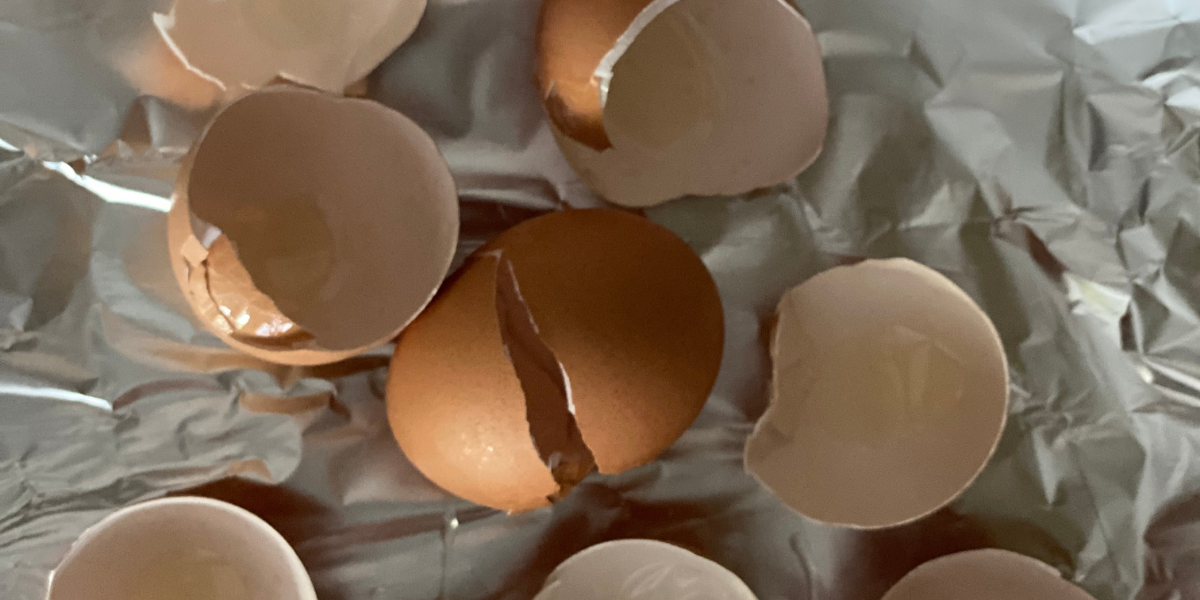
- Clean, empty eggshells (from any number of eggs)
Instructions
- Preheat oven to 275°F (135°C).
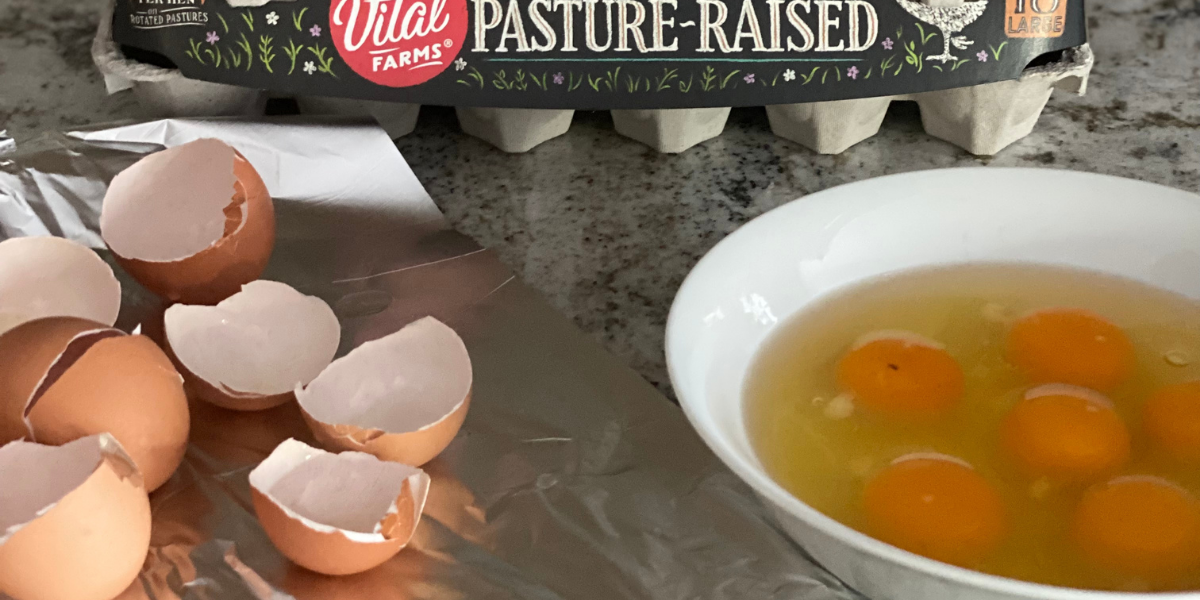
- Crack eggs and separate the whites and yolks from the shells.
- Rinse the eggshells thoroughly to remove any remaining egg.
- Pat dry with a towel until no visible moisture remains.
- Bake the shells on an aluminum tray for about 10 minutes, just enough to dry and sanitize them—not brown them.
- Allow to cool completely.
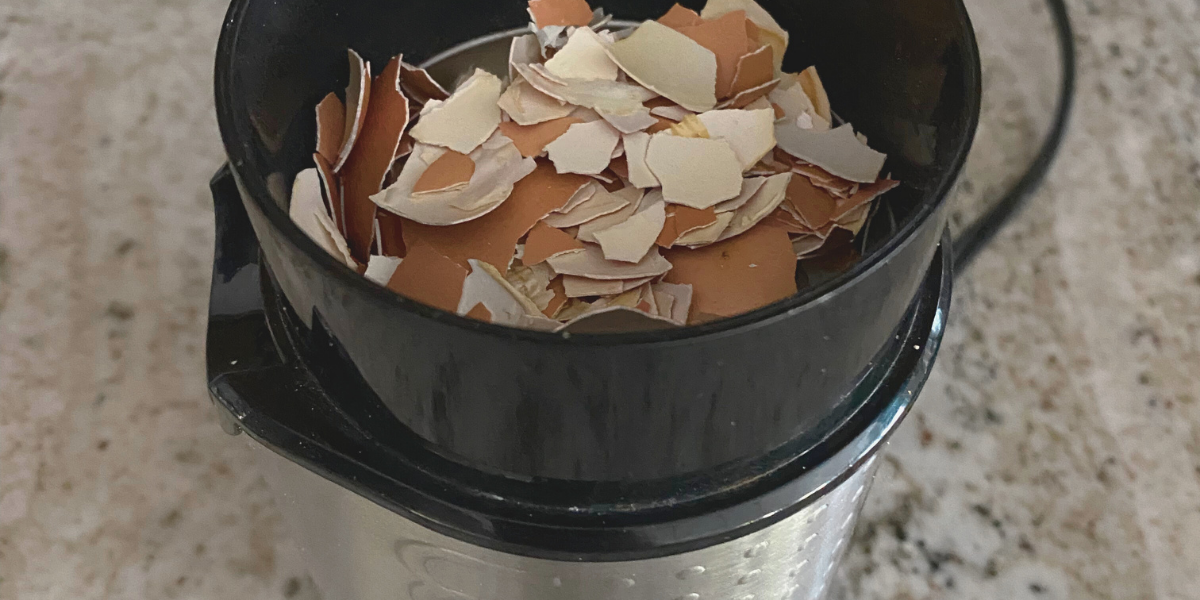
- Grind the shells in a coffee grinder until they become a very fine powder.
- Check for sharp fragments and remove any large pieces that didn’t break down.
- Store in an airtight jar at room temperature.
How Much Eggshell Calcium to Use
General guideline for homemade diets:
- 1 teaspoon of eggshell powder per 1 pound of boneless meat
(This provides roughly 2,000–2,500 mg of calcium, depending on grind.)
Always adjust calcium based on the recipe you’re using—especially for puppies, large breeds, or dogs with medical needs.
Final Thoughts
Homemade dog food can be incredibly nutritious—but only if calcium is addressed correctly. Eggshell calcium is affordable, easy to make, and provides a reliable, measurable calcium source for any boneless diet. When added properly, it completes the bowl and supports strong bones, healthy muscles, and long-term wellness.
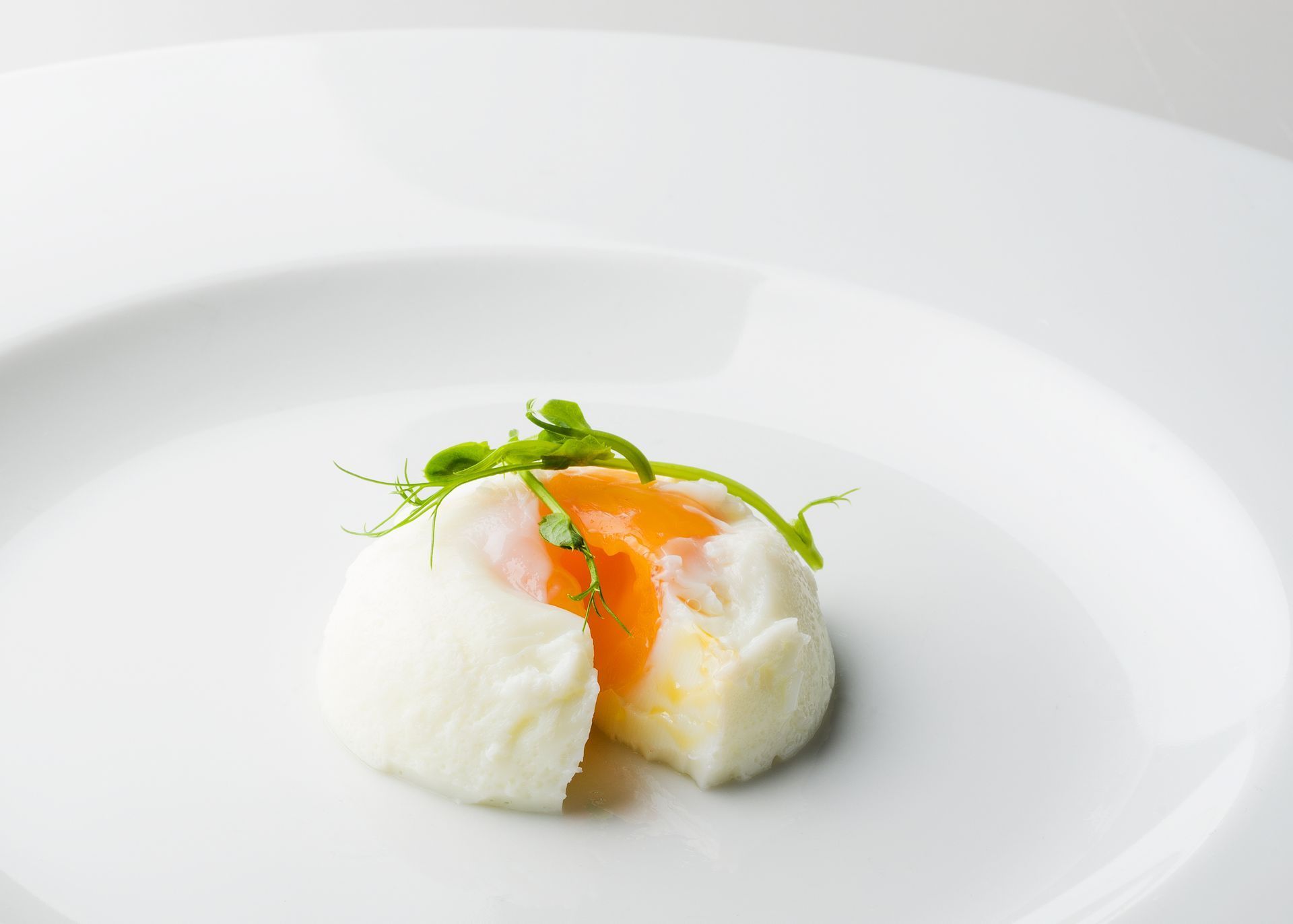
Looking for another fun way to use eggs in your dog’s meals? Try our poached eggs for dogs recipe—an easy, protein-rich treat most pups go crazy for.
Disclaimer:
This article is for educational purposes only and is not individualized veterinary or nutritional advice. Every dog has unique needs. Always consult your veterinarian before making dietary changes or introducing new ingredients, especially if your dog has medical conditions or special requirements.
Join our Fido's Bowl Newsletter
Sign up to get industry insights, trends, and more in your inbox.
Contact Us
We will get back to you as soon as possible.
Please try again later.
SHARE THIS
Latest Recipes